

Play
Pause

Redshift 6 is a six-voice analog polyphonic synthesizer that redefines what a polysynth can be.
Powered by Demon Core oscillators and a Variable Character Filter, each voice features 16 true analog oscillators — delivering everything from supersaw stabs and lush pads to powerful unison basses and vintage polysynth sounds.
With 16 simultaneous analog oscillators per voice, Redshift 6 goes far beyond traditional 6- or even 12-voice analog polysynths. Its flexible architecture allows the oscillators to be assigned in multiple ways, from supersaw-style stacks to massive 96-oscillator unison. The oscillators can also be played in paraphony, allowing up to five simultaneous notes on a single voice. These notes can be shaped independently, thanks to Redshift 6’s dedicated DCO ENV envelope generators.
Combined with 6-part multitimbrality, per-part sequencers and arpeggiators, and a powerful effects section, Redshift 6 becomes more than a synthesizer — it’s a complete sound design instrument.
In practice, Redshift 6 can function as up to six simultaneous independent synthesizers, each with its own character, making it a true analog powerhouse built for modern production and performance.
Demon Core Oscillator is a MDCO (Multiperiod Digitally Controlled Oscillator) which allows a single analog oscillator core to form multiple simultaneous waves with pitch and phase control.
Even though the analog oscillator cores are digitally controlled, the Demon Core Oscillators sonic possibilities go way beyond traditional DCO’s. In practice this means that all the 16 analog oscillators in each 6 voices can be individually controlled. With the 16 oscillators per voice, each of the six voices can also operate as a paraphonic voice with up to 16 note paraphony.
Each paraphonic note can also have its own amplitude envelope, enabled by the Redshift 6’s DCO ENV.
With different character profiles, each voice’s analog signal path regarding tuning, gain staging, filter, amp, and envelope behavior can be changed from almost digitally sterile and clean to distorted misbehavior and beyond.
The sound character of legendary synths is what they are revered and desired for. This character is made up of various distortion characteristics, the precise shape of the filter response curve, the envelope shape, tuning accuracy and variations in all of these between voices. In designing our own analog circuits and their control algorithms, we had to decide which character would we aim towards… and decided to not decide! Using our ultra-flexible filter design from the Neutron Flux Filter, variable gain staging, the fine-tuning capabilities of the DCO, and digital control of all these, we’re able to approximate many very different characters. We’ve packaged five of them to the Character control of the Redshift, and as an extra treat, we let you interpolate between them to find your own perfect sweet spot!
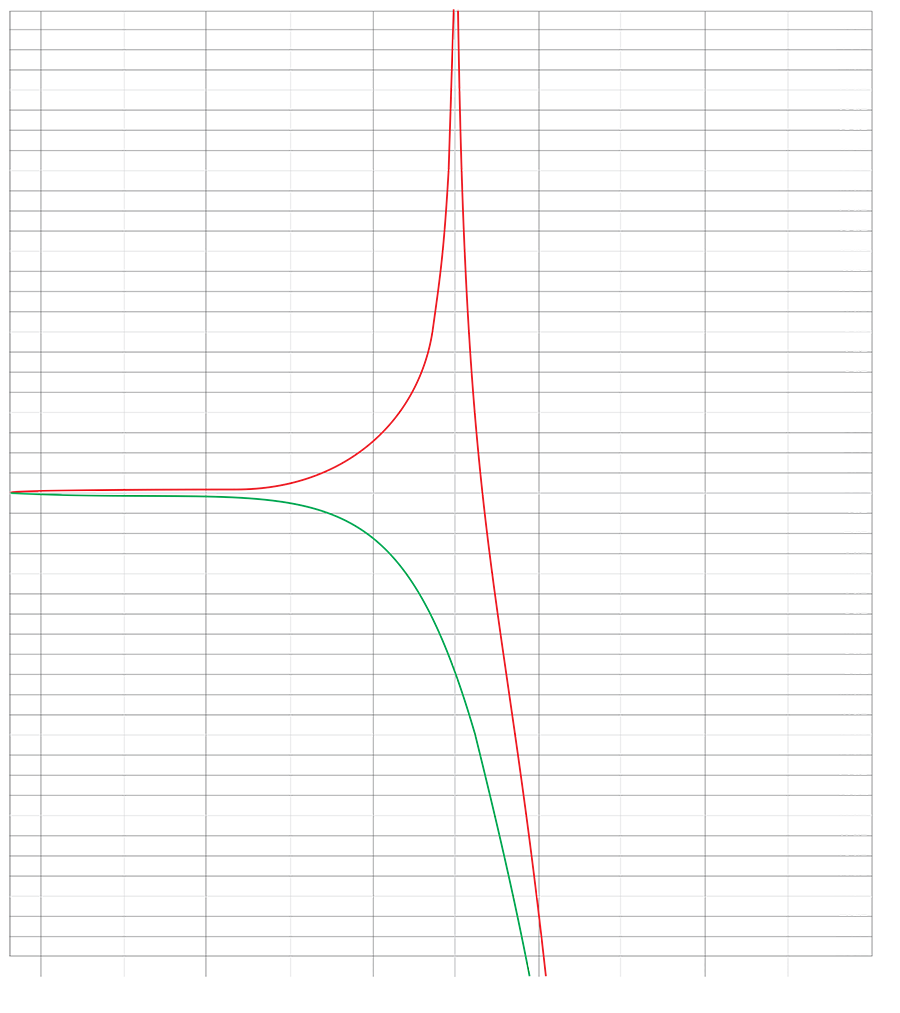
With different character profiles, each voice’s analog signal path regarding tuning, gain staging, filter, amp, and envelope behavior can be changed from almost digitally sterile and clean to distorted misbehavior and beyond.
The sound character of legendary synths is what they are revered and desired for. This character is made up of various distortion characteristics, the precise shape of the filter response curve, the envelope shape, tuning accuracy and variations in all of these between voices. In designing our own analog circuits and their control algorithms, we had to decide which character would we aim towards… and decided to not decide! Using our ultra-flexible filter design from the Neutron Flux Filter, variable gain staging, the fine-tuning capabilities of the DCO, and digital control of all these, we’re able to approximate many very different characters. We’ve packaged five of them to the Character control of the Redshift, and as an extra treat, we let you interpolate between them to find your own perfect sweet spot!

Redshift 6’s FX Engines deliver production-level, 24-bit stereo effects. Its parallel signal path allows you to blend analog audio with DSP effects, giving you the warmth and character of analog signal path alongside the precision and flexibility of modern digital processing. The different engines of the FX section add spaciousness, movement, and depth to the sound without compromising its analog soul.
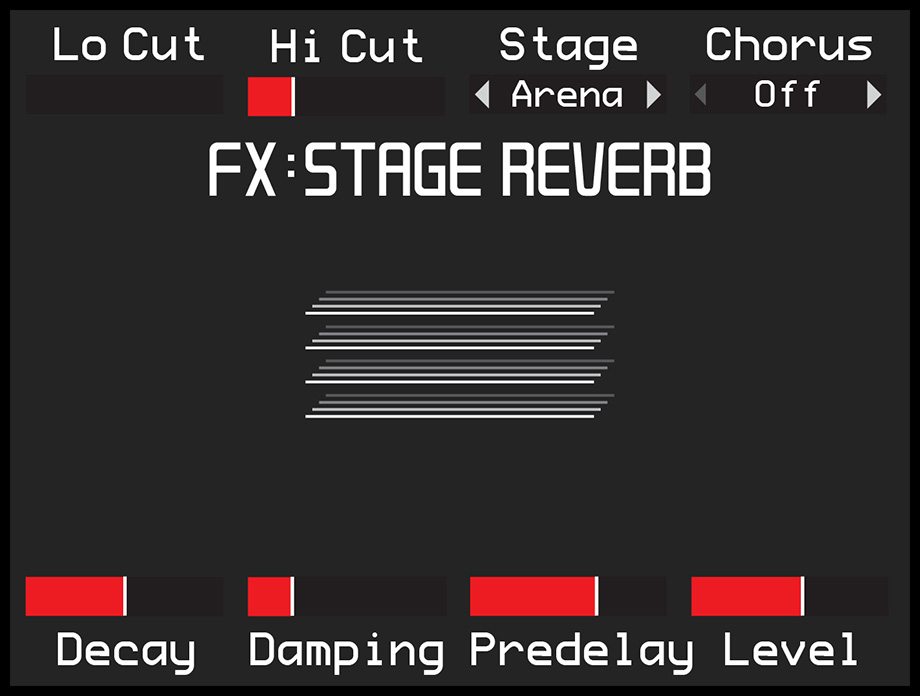
Stage Reverb engine simulates acoustic spaces from small rooms to large open environments, adding reflective ambience that affects the sense of distance—short decays give subtle space while long decays create sustained, atmospheric tails. Tone and diffusion controls shape whether the reverb sits behind the sound or blends more directly with it. Vintage Chorus engine can also be layered with the reverb for added character.
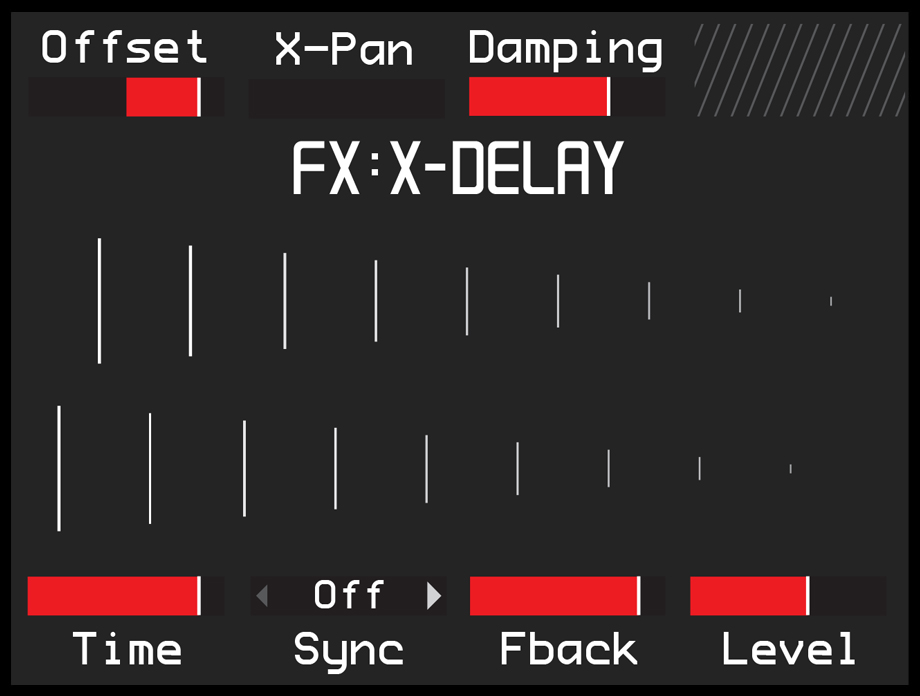
X-Delay is a stereo delay designed to create dynamic sequences of repeats that add rhythm, depth, and motion to your sound. Each echo is processed in order, letting you build anything from precise, tempo-synced patterns to free-running, atmospheric textures. Run it freely or sync to internal or external MIDI clock for perfectly timed delays every time. Versatile, musical, and built for creative echo design.
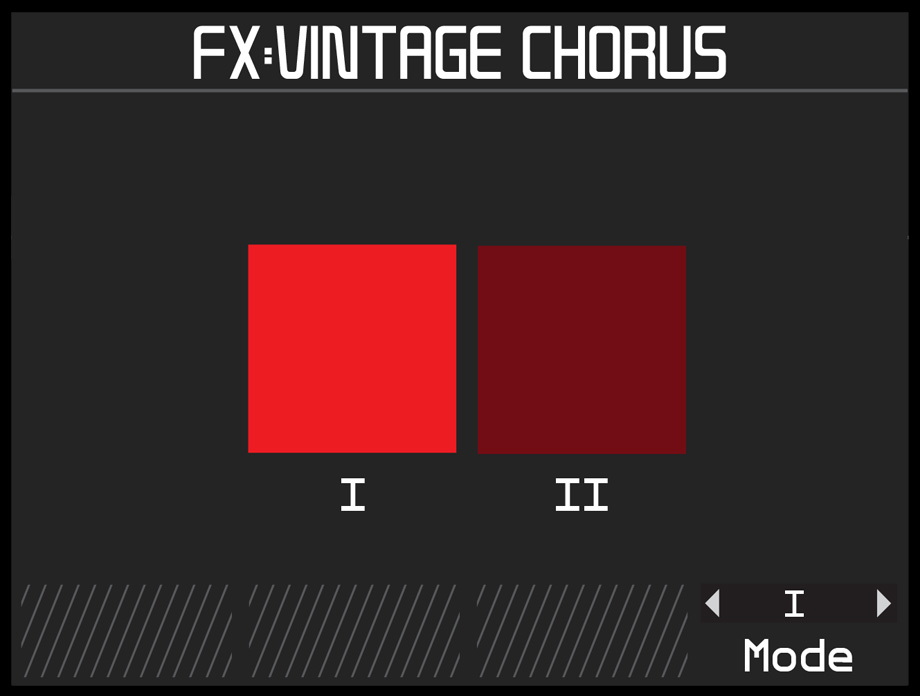
Vintage Chorus offers two modes, I and II, each designed to give brass, pads, strings, and other sustained tones instant warmth, width, and dimension. Its subtle pitch and delay modulation creates a natural, multi-voice feel that enhances your sound without overwhelming it. Smooth, musical, and effortlessly classy — perfect for adding character and depth to any mix.
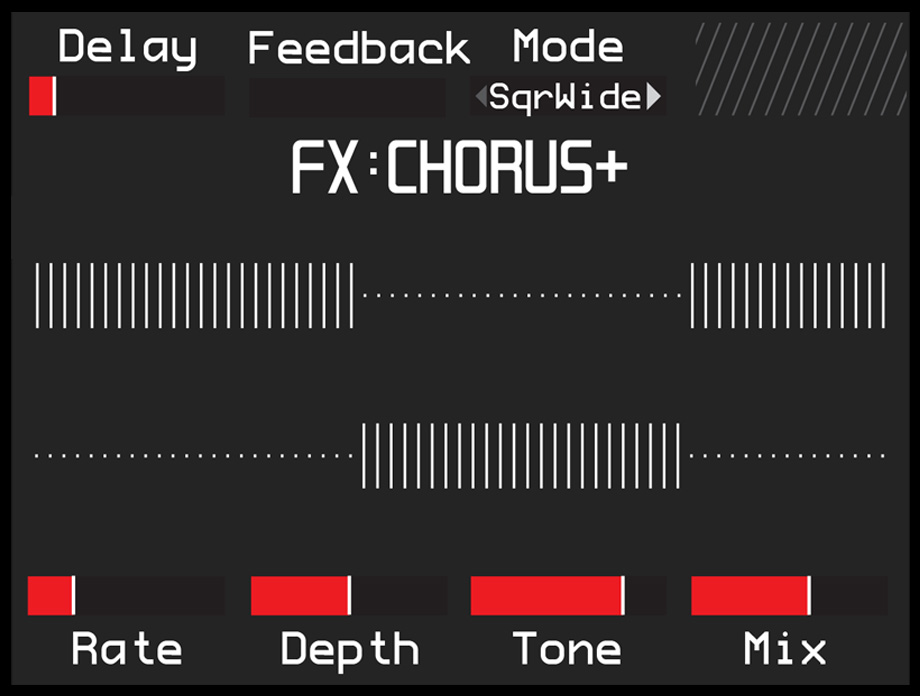
Chorus+ is a stereo modulation effect that thickens and widens your sound by blending the original signal with a delayed, pitch-modulated version. While it can add gentle doubling or classic chorus depth, adjusting its parameters can push it into extreme effects.
Multitimbrality allows Redshift 6 to function as multiple independent synthesizers. Each part can be polyphonic, paraphonic, or monophonic, and each can have its own unique character.
With Redshift 6, multitimbrality is always at your fingertips. Its user interface is built from the ground up to enable a seamless workflow between mono- and multitimbral setups. Under the hood, Redshift 6 is always multitimbral—there’s no need to switch to a specific multitimbral mode. A new multitimbral synth part can be activated with just the push of a button. Voice allocation, polyphony, paraphony, group settings, and other parameters are easily configured in the Parts view.
Multitimbrality truly unleashes the full power of Redshift 6’s 96 oscillators.
With each of the Redshift 6’s six voices capable of generating up to 16 oscillators, the Redshift 6 offers an impressive expansion in overall polyphony. A single voice supports up to five paraphonic notes simultaneously, each featuring dual oscillators and a noise source. These notes can have independent amplitude shaping, thanks to the Redshift 6’s dedicated DCO ENV envelope generators.
Redshift 6 also features dynamic voice allocation, allowing voices to be borrowed from other parts when needed. When combined with paraphony, Reshift 6 pushes polyphony well beyond what traditional multitimbral synths can offer.
Thanks to the flexible voice allocation, the voices to be assigned in various ways: split across keyboard zones for traditional polyphonic setups, layered to play rich, combined textures, or used as six independent one voice parts.
Redshift 6’s six audio outputs provide flexible routing options, allowing individual parts to be assigned to separate outputs.
The Redshift 6 features a modern, compact desktop design with a 2.7-inch color screen, minimizing menu diving with intuitive navigation via a shortcut button grid. The front panel includes a selection of essential synth controls, along with a macro mode offering six user-assignable controls. On the back, you’ll find main audio outputs, a DSP effects processor, and four auxiliary voice outputs for expanded routing options.
A core design principle of the Redshift 6 is to provide a versatile, powerful analog platform paired with a flexible UI, allowing for seamless integration of new Engines and featuresthrough software updates.
Redshift 6 is build to high standards from components to materials. Its aluminum casing is 3D-milled, and the graphics are printed with high precision using an innovative UV printing technique. Every visible element—from the knobs and hexagonal pads to the red transparent honeycomb side panels—is a custom design by Axel Hartmann.
• Voice chaining
• Sysex Send & Receive
• MIDI CC & NRPN as modulation sources
• Preset sorting & filtering
• More advanced modulation routing
• New DCO Engines: Phase Sync, Partials, Drum...
• New VCF Engines: Formant, Pole Mixing...
• More advanced Arp & Sequencer engines
• And more
• Sequencer
• Macros
• Math Page
• New FX Engine: Digital Delay
• New FX Engine: Reverb
• New FX Engine: Chorus
• New VCF Engine: Phaser
• MPE
• Arpeggiator
• Multi-part edit for the multitimbral patches
• New oscillator waveform variants
• Envelope reset option
• Sample & Hold waveform for the LFO
• LFO range is now 0.01-1000Hz, up from 0.1-100Hz
• 18 new factory presets
• Multitimbrality
• Preset preview
• Multitimbral factory presets
• Clock
• LFO clock sync
• NRPN support for parameter control
• Mod Lock
• 65 new presets
• USB MIDI
• New presets by Kebu
Above you can see a glimpse of what we have planned for the future and where we have come from. Please note that plans are subject to change and shouldn’t be taken as promises.
For those who are interested on the technical side of things, we also have a blog on our website, where we will share updates on the development of the Redshift 6 and occasionally dive deeper into various technical subjects.
We have released a new firmware update for the Redshift 6. Firmware Update 1.4 introduces MPE, an arpeggiator, multi-part editing for multitimbral patches, new oscillator waveform variants, envelope reset option, and a Sample & Hold waveform for the LFO, among other improvements. There are also 18 new factory presets to showcase the arpeggiator and more.
* Coming soon in a firmware update

